Great work workmanship, lovely guys. Go above and beyond, highly recommend

Woodfellas are Glasgow’s timber sash window specialists. We restore, repair, and manufacture bespoke sash and case windows for homes across Glasgow and Central Scotland, and we’ve been doing it for over 20 years.
Every window we produce is crafted in-house at our Glasgow workshop using sustainably sourced timber. Whether you need a full set of double-glazed sash windows for a conservation area property or a single window repaired and draught-proofed, we handle the whole job from survey through to installation.
Glasgow’s tenement streets were built with timber sash and case windows for a reason. The Victorians and Edwardians who designed these buildings understood that timber is a material with natural warmth, strength, and character that other materials struggle to match.
That hasn’t changed. Timber is still the best choice for sash windows, and not just because it looks right on a sandstone tenement. It performs better than most people expect, especially when paired with modern glazing and draught-proofing.

Timber is a natural insulator. It conducts heat far less readily than aluminium and outperforms UPVC in thermal efficiency when you compare like-for-like frame thicknesses. Combined with double glazing, a well-made timber sash window can achieve A-rated energy performance, cutting heat loss by up to 50% compared to the original single-glazed pane.
A properly maintained timber sash window can last well over 60 years, and many of Glasgow’s original Victorian windows are still in service after more than a century. UPVC, by comparison, typically lasts 20 to 25 years before it yellows, warps, or becomes brittle. Timber can be sanded back, repaired, and refinished. Plastic can’t.
Timber is renewable, biodegradable, and stores carbon throughout its life. We source all our timber from sustainably managed forests, which means every window we fit has a fraction of the environmental footprint of a UPVC or aluminium alternative. When a timber window eventually reaches the end of its life, it breaks down naturally rather than sitting in landfill for centuries.
If you live on a busy Glasgow road, you already know how much street noise gets through old single-glazed sash windows. Timber frames combined with double-glazed sealed units dramatically reduce noise transmission, so your front room actually feels like somewhere you want to sit.
There’s a reason period property buyers pay a premium for original features. Timber sash windows have a depth, texture, and warmth that UPVC will never replicate. The grain of the timber, the weight of the sash as it slides, the way the glazing bars cast shadows across the glass on a sunny afternoon. These details matter, and they’re only possible with real timber.
Great work workmanship, lovely guys. Go above and beyond, highly recommend
We have used ryan for many shopfront projects over the years .He has always delivered a fantastic job regardless of the complexity and time scale.My clients always comment on the finish and detail.Would recomend wholeheartedly.
Ryan and co are talented, courteous, hard-working perfectionists, who clearly love what they do. Based on their fantastic work replacing our storm doors and back door, I 100% recommend them.
Ryan and his team have been a pleasure to do business with. Two beautiful new sash and casement windows fitted in our B-listed home in one day with no mess or stress. No issues and outstanding workmanship. A++++
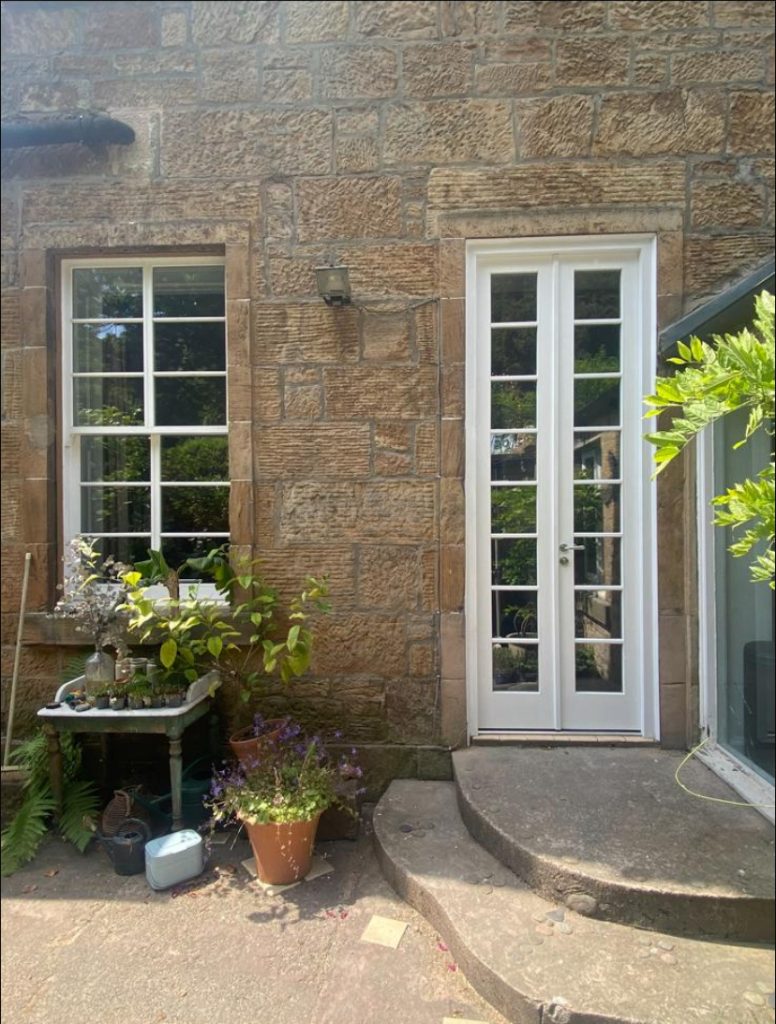
One of the biggest concerns homeowners have about sash windows is energy efficiency. The good news is that modern double-glazed units are designed specifically for timber sash windows, and they fit within the original glazing rebate without altering the proportions or appearance of the window.
These units use a narrow cavity between two panes of glass to dramatically reduce heat transfer. From the outside, the window looks identical to a traditional single-glazed sash, but it keeps your home noticeably warmer and quieter. Every unit we install meets current building regulations for thermal performance.
If you’re restoring existing sash windows, we can upgrade them to double glazing as part of the process. If we’re manufacturing new windows, double glazing comes as standard.
Not every sash window needs replacing, and not every one can be saved. We’ll tell you honestly which applies to yours, because our goal is to give you the best result for your property rather than sell you something you don’t need.
When a window is beyond economical repair, we manufacture a bespoke replacement in our Glasgow workshop. Every window is made to measure using your choice of treated pine or hardwood timber, and we match the original profile, proportions, and glazing bar pattern so the new window sits perfectly in the existing opening. Double-glazed sealed units and enhanced security come as standard.
Sometimes you don’t need a full restoration. Maybe the sash cords have snapped and the weights have dropped inside the box frame, or the bottom rail has started to rot, or the window has been painted shut and won’t open. We handle individual repairs like these quickly and without fuss, and we’ll always check the rest of the window while we’re there so nothing gets missed.
Glasgow has over 20 designated conservation areas, from the West End and Hyndland through to Strathbungo, Pollokshields, and Dennistoun. If your property falls within one of these areas, or if it’s a Category A, B, or C listed building, there are strict rules about what you can and can’t do with your windows.
The short version is that UPVC is not an acceptable material for listed buildings, and Glasgow City Council strongly discourages it in conservation areas too. If you’re replacing windows on a listed property, you’ll need Listed Building Consent from the council, and the replacement must match the original in material, design, and profile. Repairs using the original materials don’t usually require consent, which is another good reason to consider restoration before replacement.
We’ve worked on properties across Glasgow’s conservation areas for two decades, and we understand exactly what the council expects. We can advise you on what consent you’ll need and manufacture windows that meet every requirement while giving you the thermal and acoustic performance you’re after.

The timber you choose affects how your windows look, how long they last, and how they handle Glasgow’s weather. We work with treated pine and hardwood depending on the application and your budget.
Treated pine is the most common choice for replacement sash windows. The timber is pressure-treated to resist rot and fungal decay, then finished with a high-quality paint system that protects against the weather while letting the timber breathe. It’s a reliable, well-proven material that gives a clean finish and performs well in Glasgow’s climate.
For properties where longevity and grain character are the priority, hardwood is naturally more resistant to rot and wear than softwood. It takes stains and oils well if you want a natural timber finish rather than a painted one, and it’s often the preferred choice for front-facing windows on listed buildings and period restorations where the detail of the timber really matters.
It depends on your property. If you live in a listed building, you’ll need Listed Building Consent from Glasgow City Council before replacing any windows. Properties in conservation areas may need prior approval, particularly for windows on the front elevation or any elevation visible from a public road. If your property isn’t listed and isn’t in a conservation area, you generally don’t need permission as long as the replacement meets building regulations. We can check for you and advise on the process.
For sash and case windows, yes. Timber offers better thermal insulation at comparable thicknesses, lasts significantly longer when maintained, and can be repaired rather than replaced.
It’s also the only material accepted by Glasgow City Council for listed buildings and strongly preferred in conservation areas. UPVC sash windows exist, but they don’t have the weight, proportions, or detailing of real timber, and they can’t be recycled at end of life the way timber can.
It depends on the project. Treated pine works well for most replacement sash windows and offers a good balance of performance and value. Hardwood is better suited to period restorations, listed buildings, and situations where a natural timber finish is preferred over a painted one. We’ll talk through the options with you and recommend the best fit for your property.
Often, yes. If the box frame is in reasonable condition and the damage is limited to specific areas like the bottom rail or sill, we can repair the affected timber, replace the sash cords, add draught-proofing, and upgrade the glazing.
A full restoration like this preserves the original character of the window, which matters particularly on listed buildings where like-for-like repair is the preferred approach.
Less than you’d think. A well-finished timber window needs repainting from time to time depending on exposure, and you should address any paint chips or early signs of rot promptly. Beyond that, timber sash windows are low-maintenance, and with regular care they’ll last for decades.
Whether you need a single sash window repaired or a full set of bespoke sash and case windows manufactured and fitted, we’d like to hear from you. Call 07920 057592 or fill in the form on our contact page and we’ll get back to you within 24 hours.
We also manufacture bespoke timber doors and timber shop fronts across Glasgow and Central Scotland.
